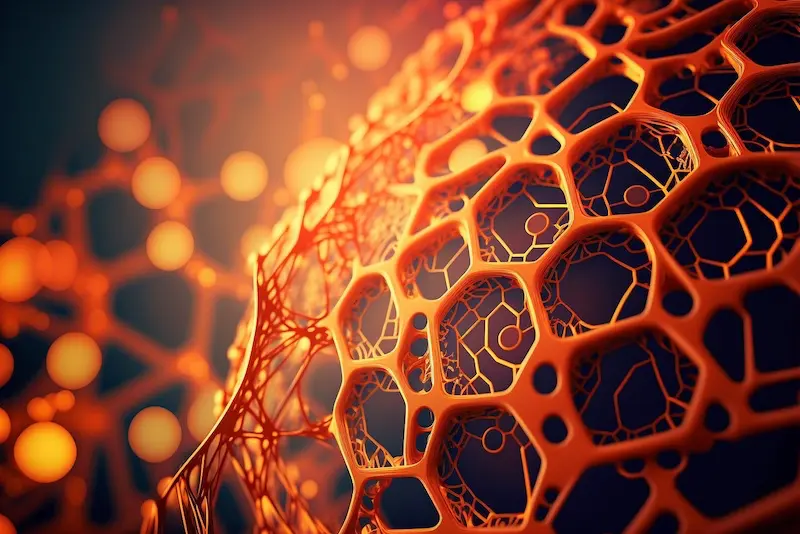

Your memory is not a hard drive, but rather a dynamic network of interconnected information that is constantly evolving. 🧠
When searching for solutions, we draw on our memories. These were formed through past experiences and, filtered through our subjective perception, eventually became part of our memory network.
Our memories are anything but static. They evolve over time, are subject to natural decay, and change whenever we mentally relive them. This means that we influence our memories even after we have already experienced and more or less internalized them.
Our memory as the first point of reference
When searching for a solution or an answer, we mentally dive into our past until something comes to mind that could help us in the present moment.
Our memory network allows us to:
- remember certain things,
- imagine certain things,
- understand connections, and
- solve problems.
In order to access specific parts of our memory, we need a suitable entry point/trigger — that is, a cue or stimulus that gives us access to the specific memories that might help us in a given situation.
All thoughts and associations linked to this trigger compete with one another when we try to recall something specific.
The original stimulus (trigger) therefore plays a decisive role in determining which memories are retrievable and which emotions are triggered in the process.
Question for you: What does this mean with regard to brands?