



On my short trip to Great Britain, I had the opportunity to see and discover many things. Particularly valuable were the insights I gained during a canal boat tour along the canals of Birmingham—especially with regard to brands, their function, and their distinctiveness.
The canals have existed since the 18th century and were used to transport a wide variety of goods. Initially, there were several canals that were not connected to one another because they were operated by different companies and therefore competed with each other. Not only did the boat operators have to assert themselves, but rail transport providers were also considered competitors.
Canal Shipping as a Branding Arena
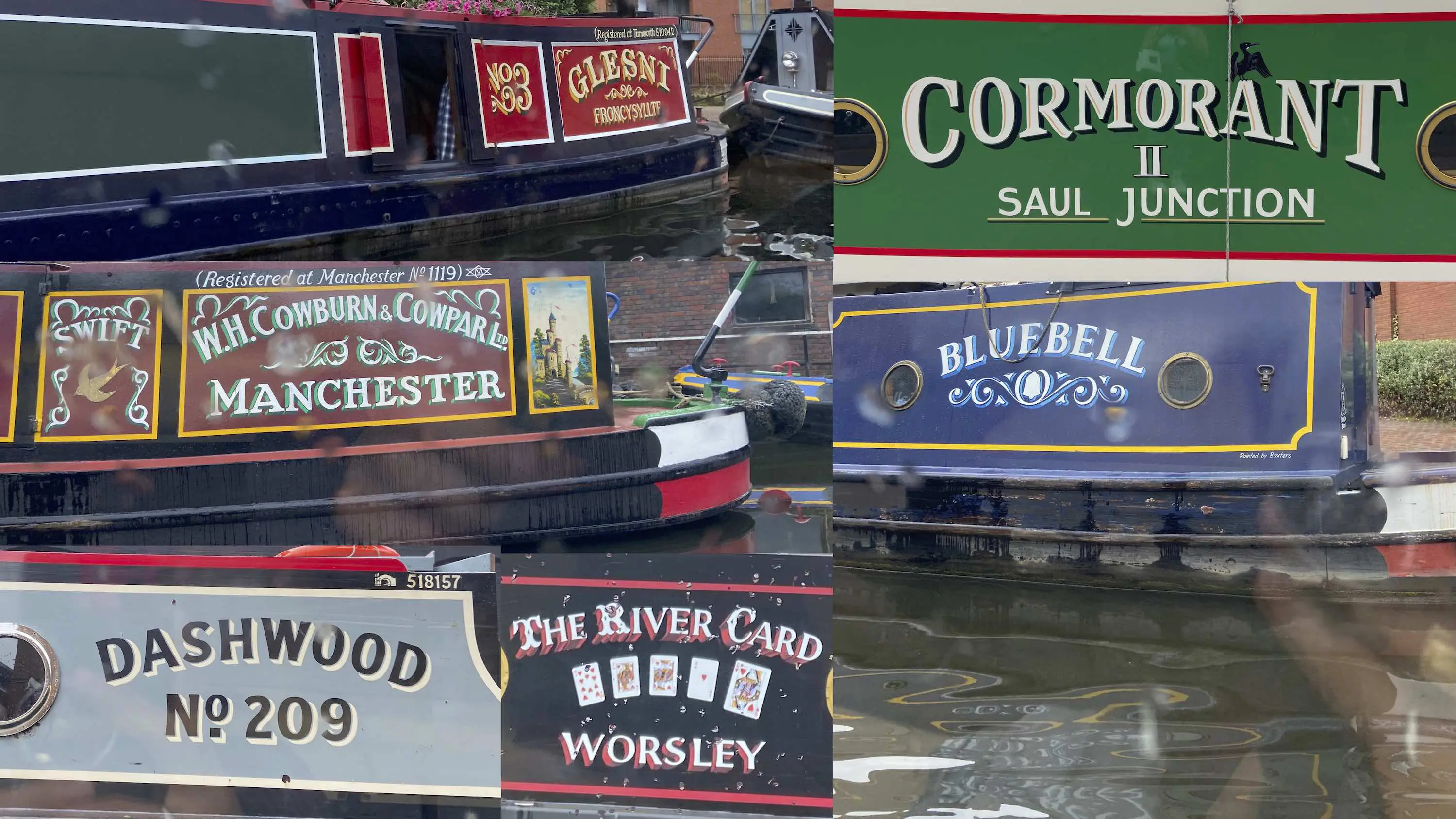
Even though the range of providers was far more limited in the past than it is today, it was already important back then to stand out from the crowd in order to be commercially successful. Boats were decorated with specific colors and lettering to make them (more easily) recognizable. The boats were “branded.” They were given a recognizable identity.
A distinctive appearance and the chosen name created differentiation and, ideally, recognition value. Even then, providers sought to remain in people’s memory and to stand for something specific with their name.
What Brands Need Today to Survive and Grow
Compared to today’s market conditions and the macro-dynamics of our time, the canals of Birmingham were—and are—a relatively calm environment with little competition and many opportunities for survival. To endure in the long term today, every company needs a brand strategy that enables it to reach, win over, and ideally attract the right people.
The selection of brand providers is larger than ever, and as consumers, it has never been easier to make independent comparisons.
For example, if you want to buy a new television, you not only have to choose between different brands, but also between various offers and retailers. In addition, you have multiple channels available to explore your options. You can therefore choose from a range of paths to prepare for and ultimately make your purchase decision.
To become the chosen option within this abundance of alternatives, a professional—that is, consistent and coherent—brand presence is essential. But that’s not all: as the images show, in the past it was enough to select appealing colors and an aesthetic typeface to stand out visually.
In our increasingly complex world, where we are bombarded with vast amounts of information every day, it has become much more difficult to remain memorable to the right people. Therefore, your brand needs an appearance that stands out among alternatives, is remembered, and is associated with the right attributes.
To reach people effectively—instead of falling victim to their sensitive filters—brands need identities that, through consistent and repeated communication, have the potential to secure a lasting place in the minds of specific people. In addition to a distinctive appearance, a brand should clearly position itself around specific values and reliably fulfill its promises. (Distinctiveness + Differentiation)
Distinctive brands—those that stand out and therefore remain memorable—form the foundation for effective marketing and thus for healthy business development. Whether a brand can survive and grow in the long term depends on the substance it offers, but also on its presentation and recognizability.
While it was sufficient on the canals of Birmingham to create recognition through a few aesthetic decisions, today far more refined approaches are required to ensure that your brand remains in the minds of certain people—and occupies the position that leads them to use the company’s services or recommend them to others.
If You Would Like to Learn More ...
➡️ If you want to understand what defines a distinctive brand and how your brand can stand out even more clearly from other alternatives, take a closer look at the following articles and consider how you can put the theory into practice:
- Why We Remember Some Brands and Forget Most Others
- The Importance of a Strong Brand in an Increasingly Complex World
- How to Stay Top of Mind With Your Brand